
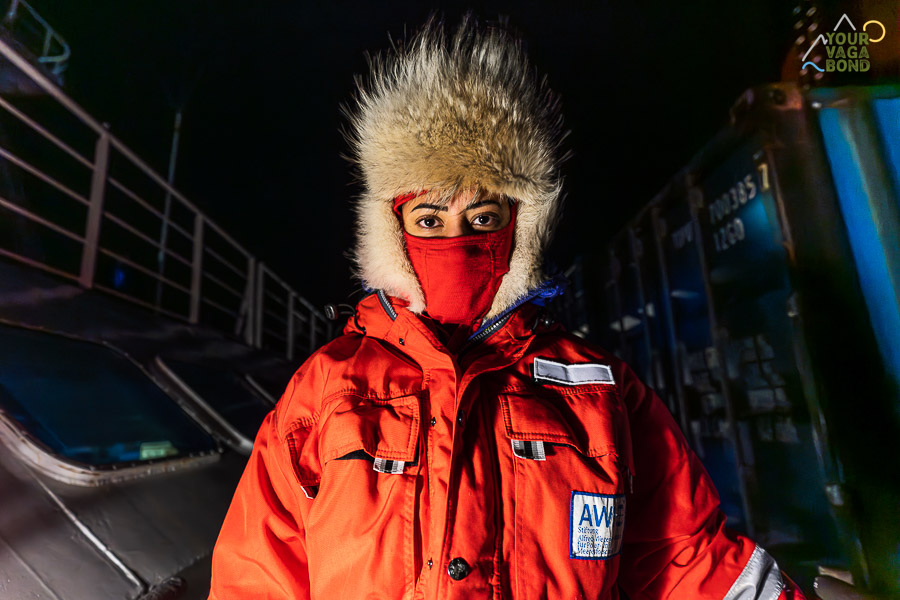
Wide-angle lenses are typically the best choice for landscape or architecture photography. However, they can also provide unique opportunities in portrait photography. When used creatively, they can produce compelling and dramatic portraits, especially when you want to incorporate more of the environment and provide context for your subject.
Table of contents
Estimated reading time: 4 minutes
Wide-Angle-, and Perspective-Distortion

One key characteristic of wide-angle lenses is the distortion they create, particularly at the edges of the frame. This distortion can make facial features appear stretched or distorted, which is generally not desired in traditional portraits. To minimize this effect, avoid placing your subject at the edges of the frame and maintain a greater distance from your subject. You can always crop the image during post-processing if necessary.
Creative Composition

Incorporating Background
A wide-angle lens can be excellent for environmental portraits, as it captures more of the background or surroundings, offering context to the subject. The lens’s greater depth of field can also significantly enhance the composition.

Foreground Framing
You can creatively use foreground elements to frame your subject similarly, adding depth and interest to the composition.

Dramatic Effects
Dolve into my tutorial about 35mm Lenses
When aiming for a nontraditional, unconventional look, the exaggerated perspective can create dramatic or surreal effects, adding a unique and artistic touch to your portraits.

Considerations About the Lens Quality
Only high-quality wide-angle lenses minimize chromatic aberrations and other optical distortions. Prime lenses offer better image quality than zoom lenses for the same price. Achieving a blurred background (bokeh) is only possible with a wider aperture (lower f-number), which significantly increases the cost of the lens but provides many more creative options.

Experimenting with Portraits: The Joy of Breaking Photography Rules

Lenses in the 50mm to 85mm range are preferred for portrait photography due to their more natural perspective and flattering focal lengths. Despite this, a wide-angle lens can be a creative tool, especially in storytelling or documentary-style portrait photography. Isn’t it tempting to break some “photography rules,” experiment, and have fun? Give it a try, and share your experience with me!


